What We Do

MedEqual mobilizes community members, leaders, legislators, physicians, and industry partners to address health inequities by enhancing South Asian representation in clinical research. Their efforts in physician education, community outreach, industry collaboration, and strategic communication are building pathways toward more inclusive, equitable healthcare outcomes. Our programs drive systemic change within the medical research community while empowering individuals to participate in shaping the future of healthcare.

2000 +
People influenced
400 +
iPromise commitements
24 +
Doctors commitments
MedEqual

How We Work

Medical research requires a comprehensive approach to address representation gaps. We build bridges between communities, healthcare providers, and researchers through targeted engagement, cultural sensitivity, and data-driven strategies. By creating collaborative pathways that respect community perspectives, educate stakeholders, and advocate for inclusive research practices, we transform the clinical trial landscape to ensure medical advancements benefit all populations equally.

1. Community Connect

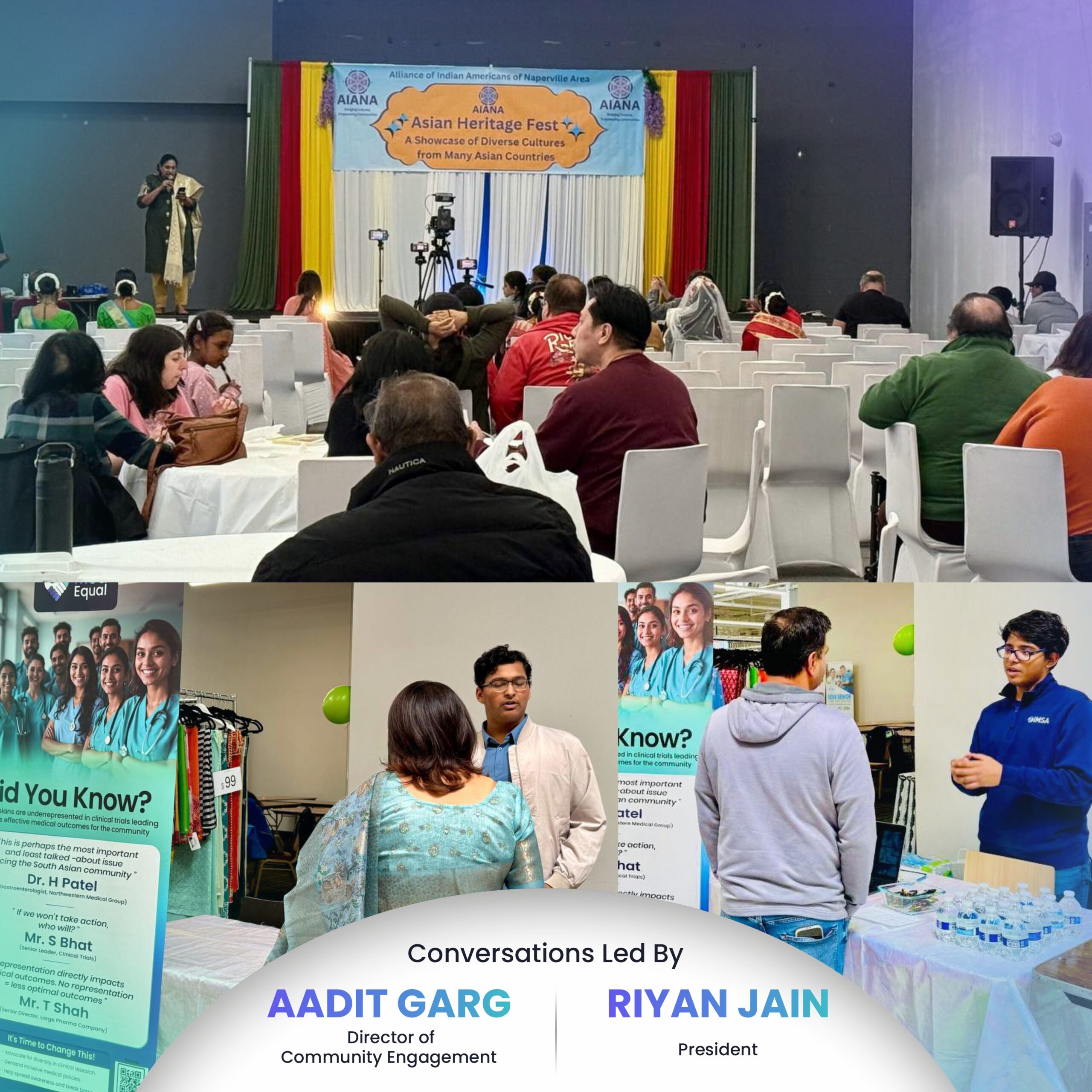
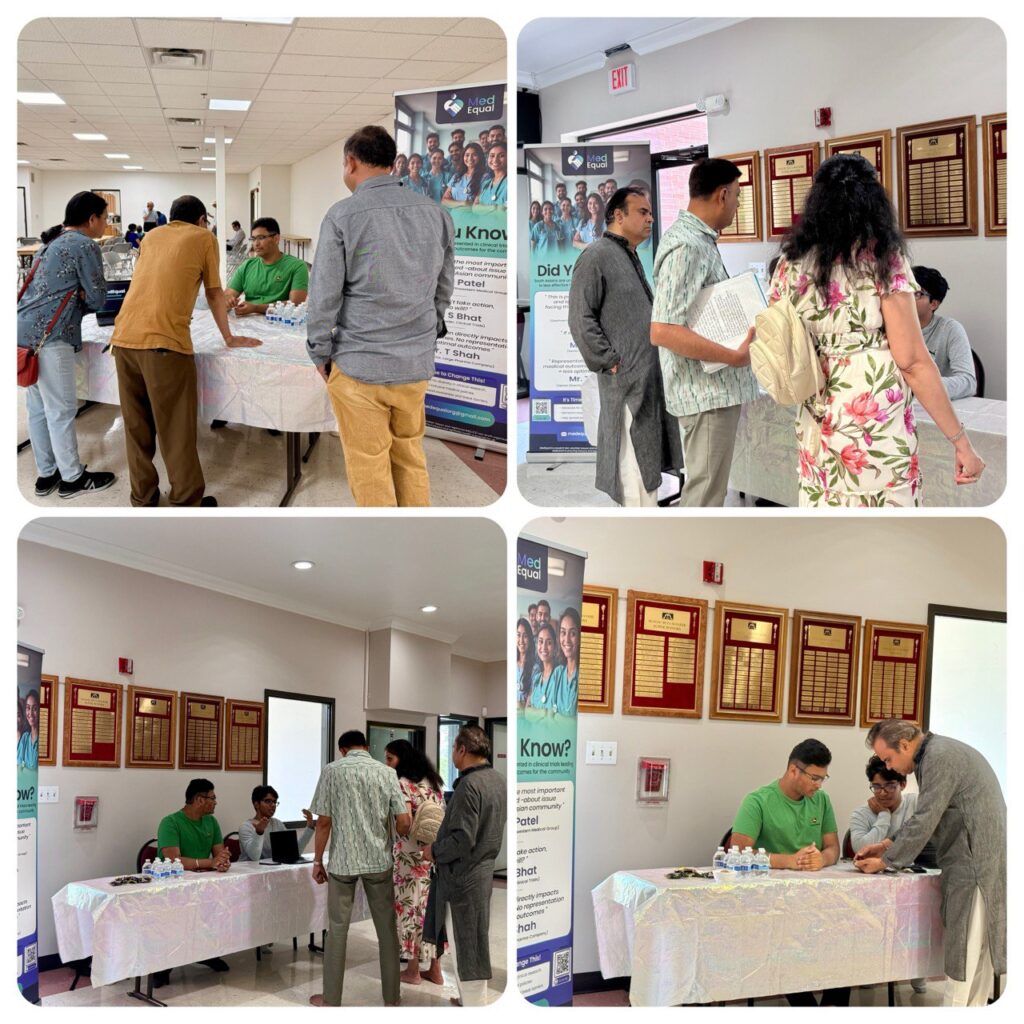
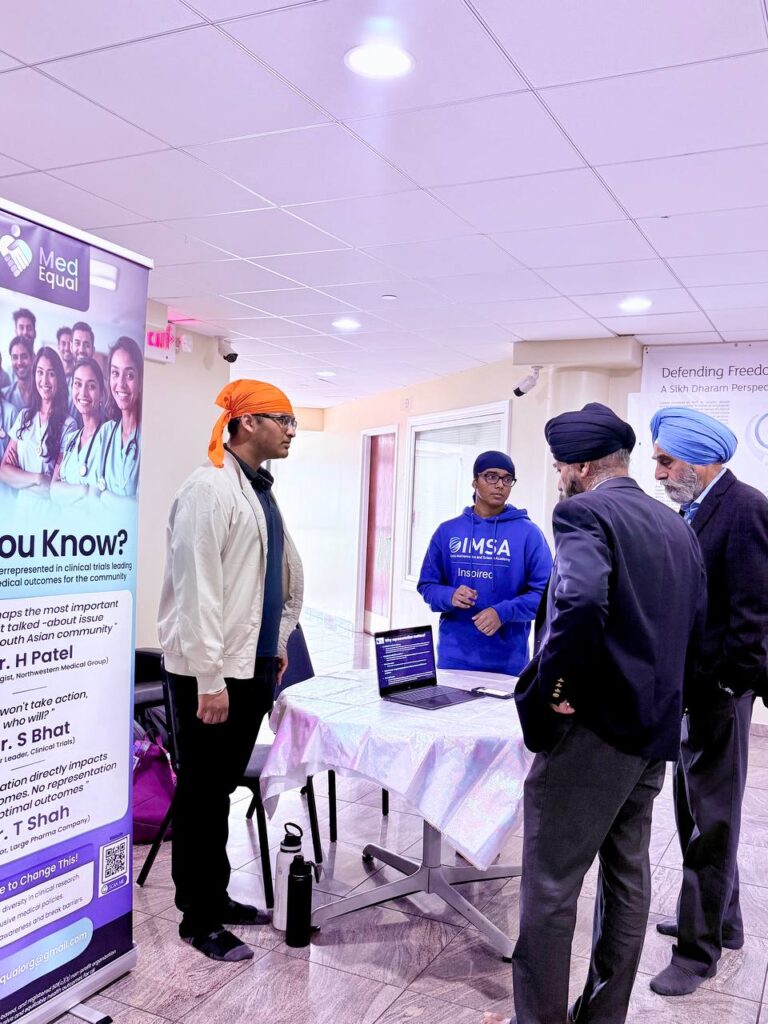
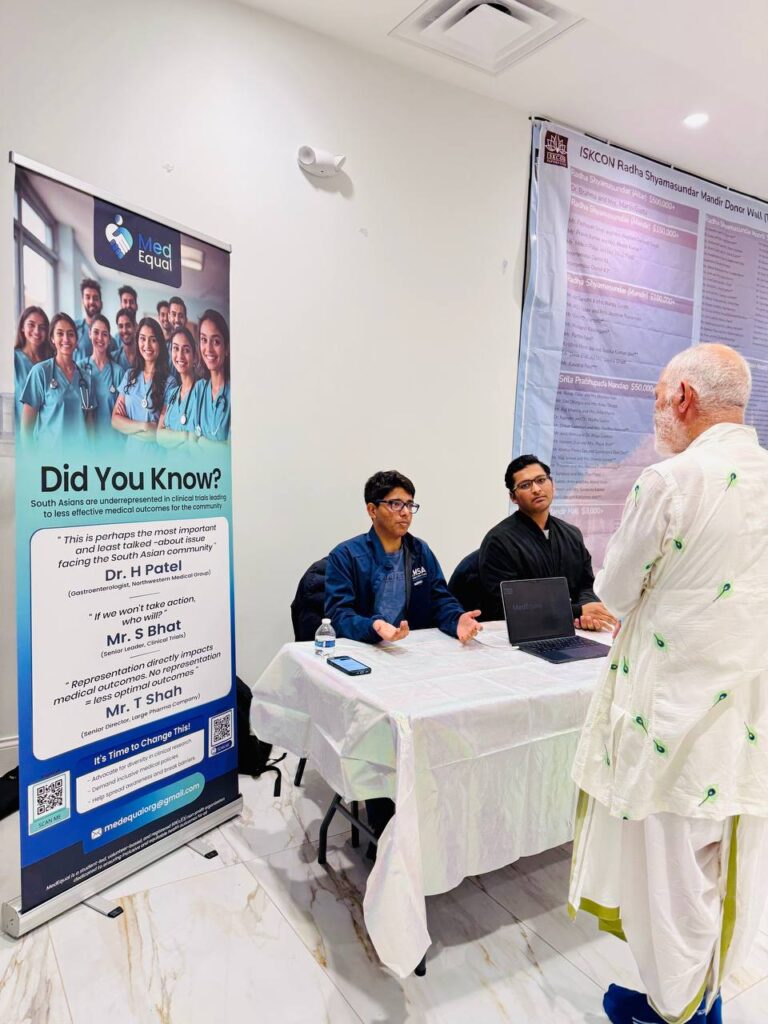
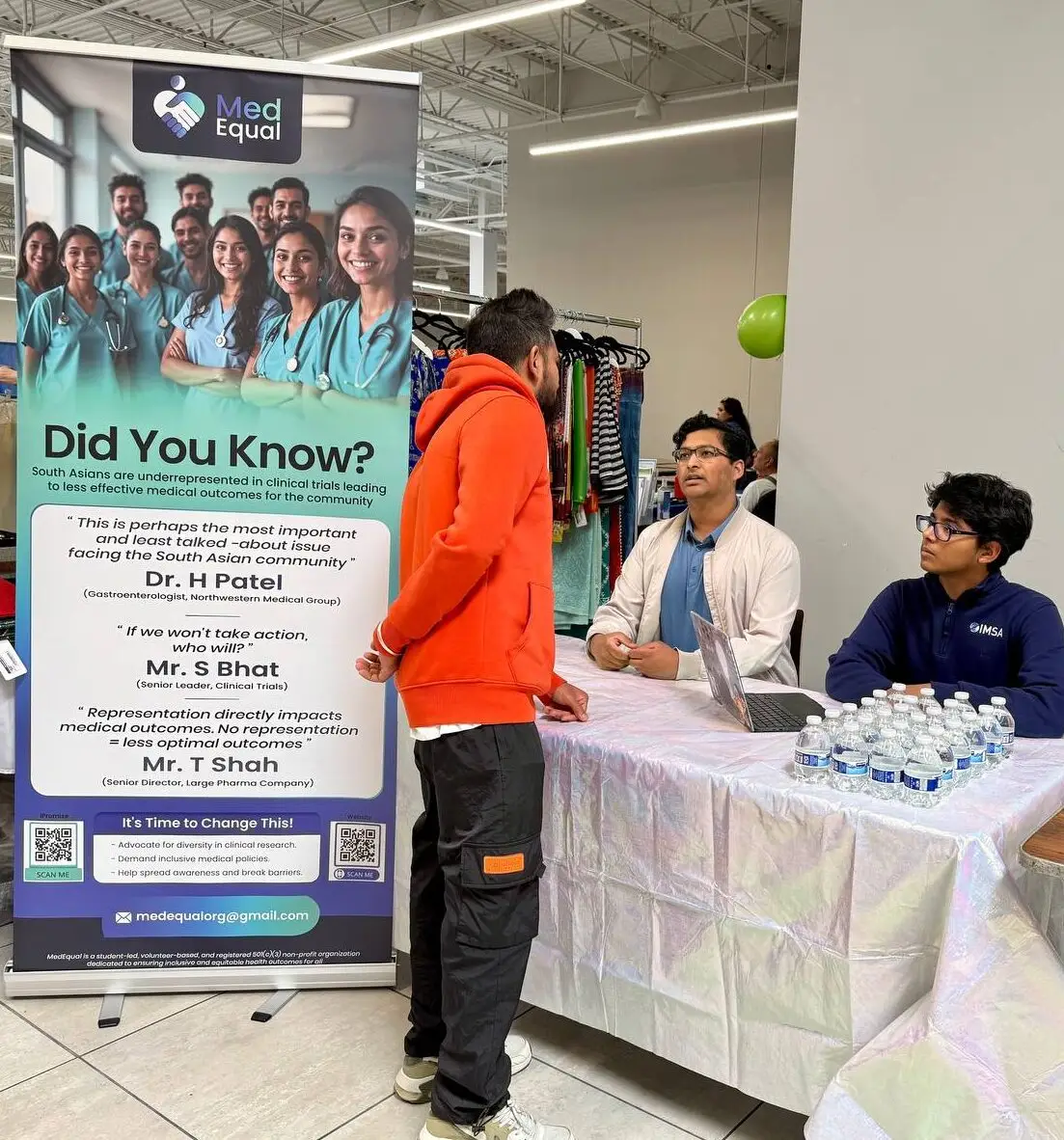
We build trust and awareness through direct engagement with South Asian communities where they gather. Our in-person events take place at:

  • Temples and gurdwaras
  • Cultural festivals and celebrations
  • Community centers
  • South Asian grocery stores and shopping centers

These grassroots interactions allow us to address concerns, dispel misconceptions, and build the foundation of trust necessary for increased research participation. Our community ambassadors, who understand both the cultural nuances and medical importance of representation, lead these efforts.

2. Advocacy Efforts

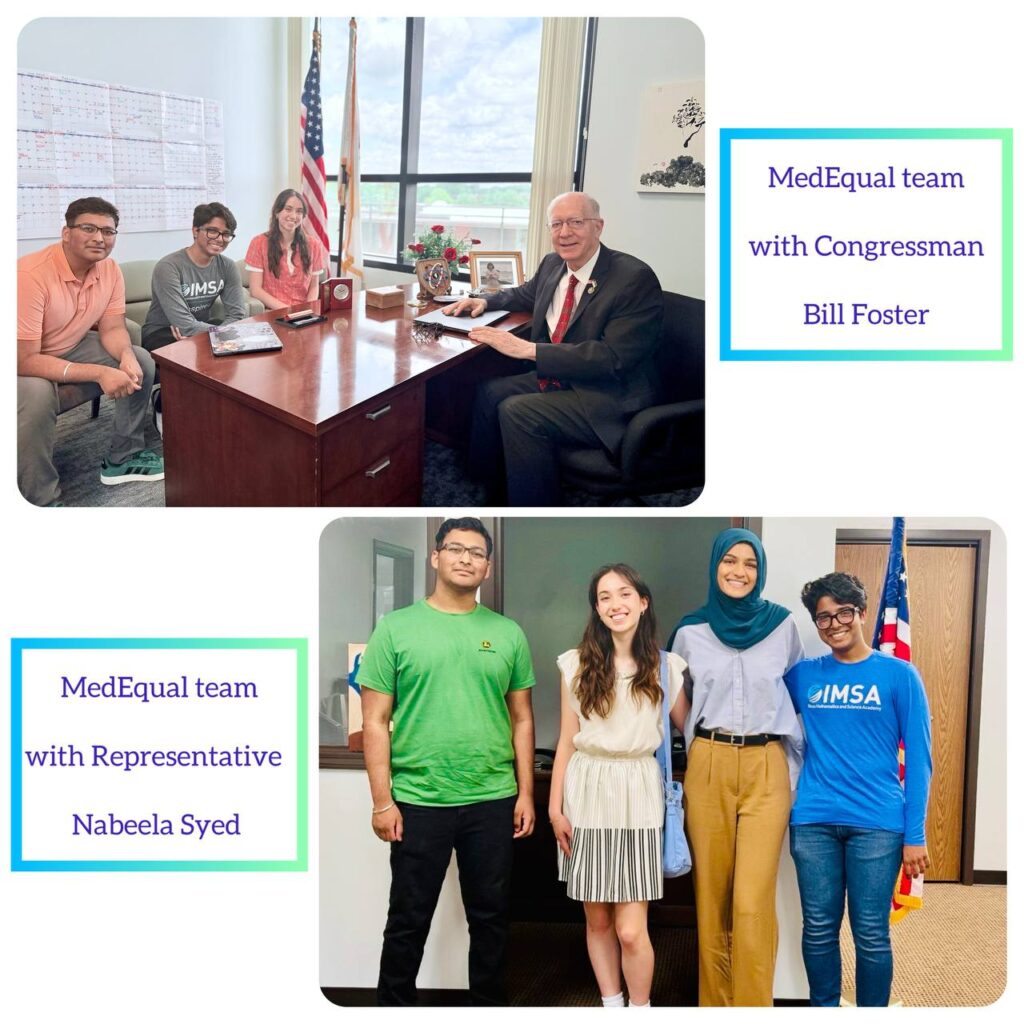
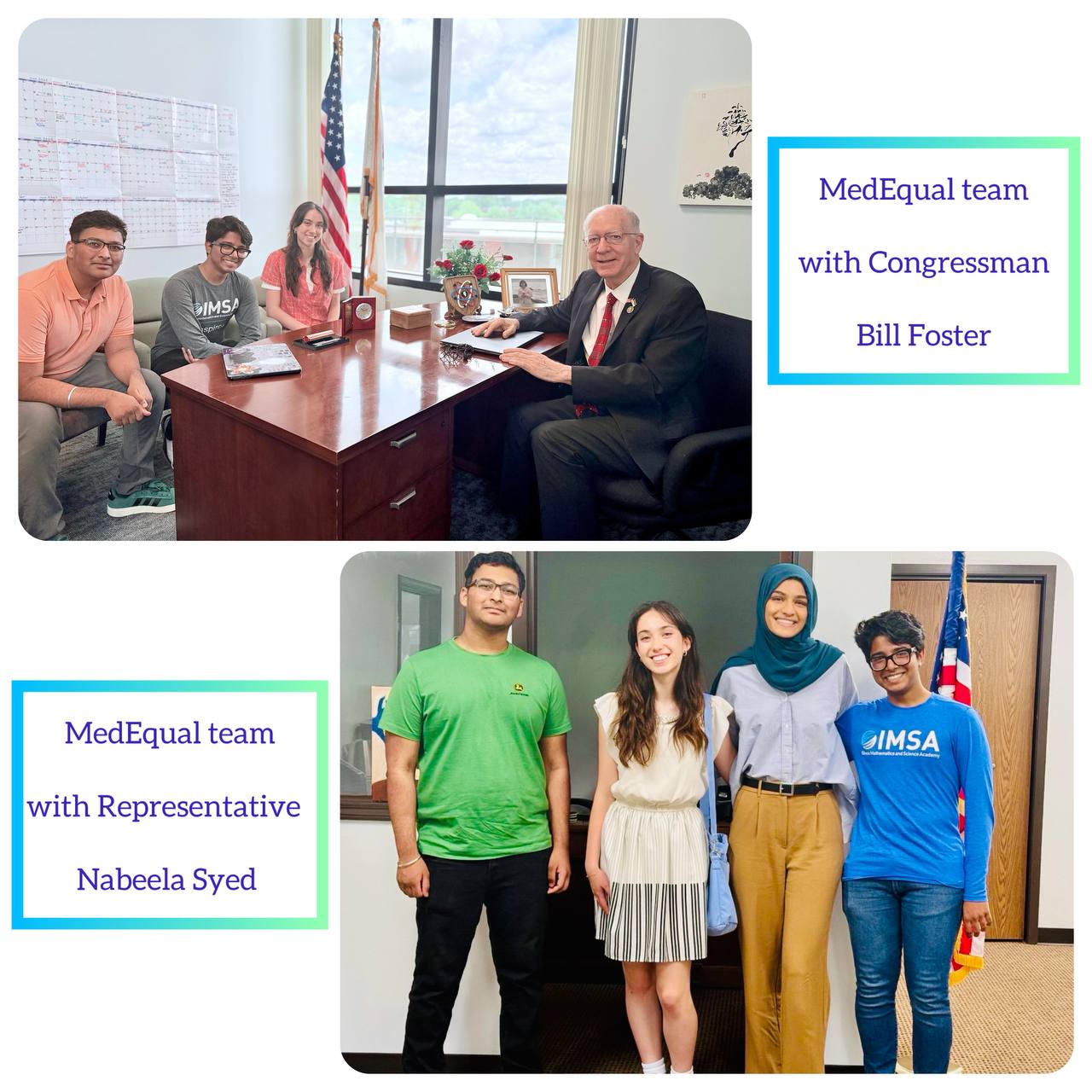
Creating inclusive medical research requires a collaborative approach. In addition to our grassroots and community initiatives, MedEqual is actively engaging in dialogue with legislators to seek their advice and support in expanding our reach and impact. By sharing our mission and on-the-ground insights, we aim to strengthen MedEqual’s efforts through informed policy conversations and strategic partnerships. These ongoing discussions are helping us explore pathways to more inclusive clinical trials and advance health equity on a broader scale.

3. MedEqual Media

MedEqual is leveraging its website and social channels to amplify voices and insights around health equity. Through engaging blog posts, they explore critical disparities in care, spotlighting real-world stories, research, and system-centered solutions. Their podcast series complements this by giving platform to frontline practitioners, advocates, and community members, who share personal experiences, innovative programs, and actionable wisdom.

On social media, MedEqual highlights ongoing work—ranging from upcoming events to newly published content. They use vibrant graphics, reels etc, to raise awareness, spark conversation, and build an informed, connected community passionate about dismantling health inequities.

In essence, MedEqual’s digital presence is a dynamic storytelling hub that educates, connects, and energizes stakeholders committed to equitable care—bringing voices, knowledge, and action together in pursuit of systemic transformation.

4. Physician Engagement

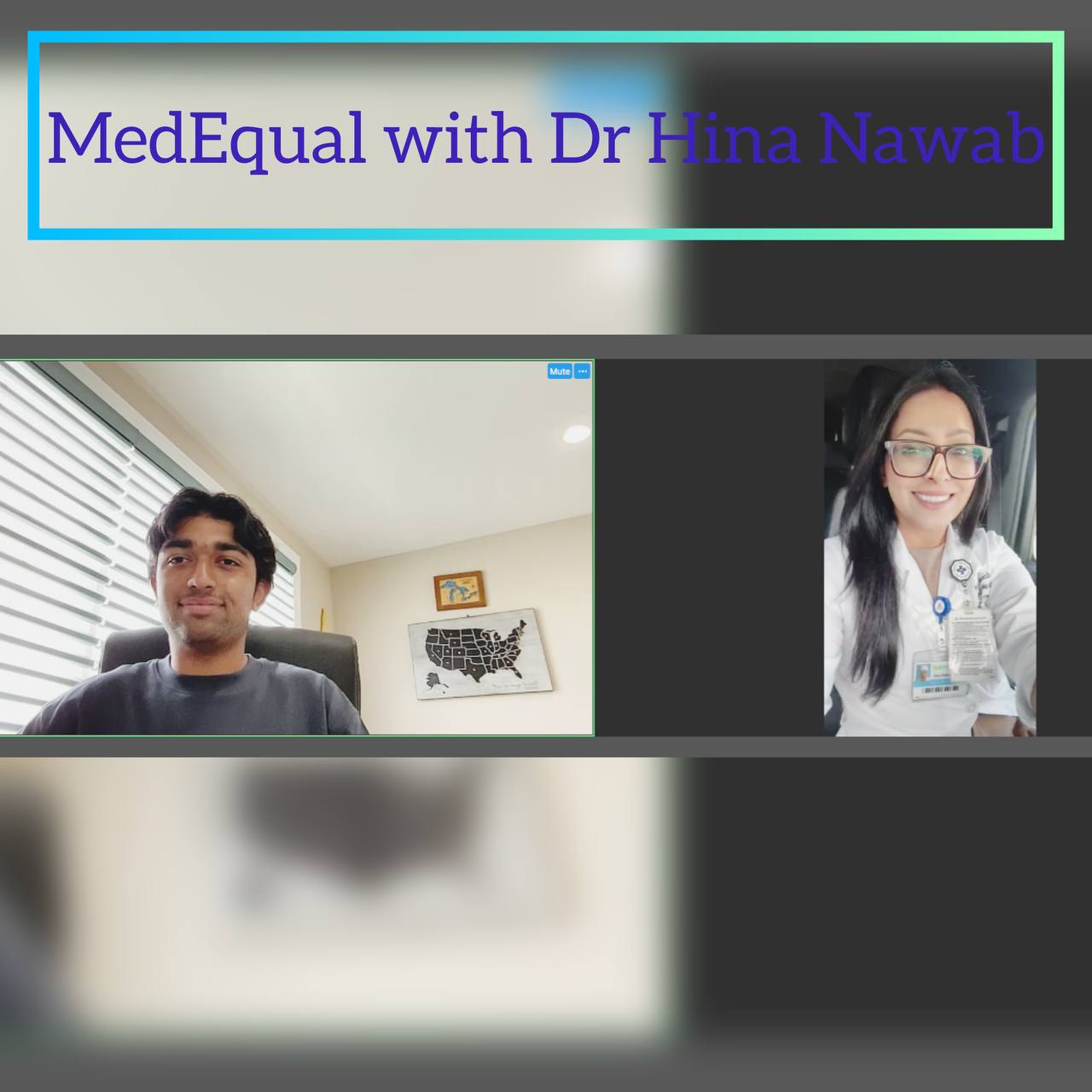
We educate healthcare providers about the critical lack of representation of South Asian communities in clinical trials. Our initiative highlights that approximately 58% of patients enroll in clinical trials through doctor recommendations, making physicians vital gatekeepers in the research ecosystem.

Through resources, and our signature pledge program, we equip doctors with:

  • Cultural competency training specific to South Asian communities
  • Ready-to-use materials explaining the importance of diverse trial participation
  • Strategies to effectively communicate clinical trial opportunities

We ask physicians to make a commitment to encourage their South Asian patients to consider appropriate clinical trials, helping to bridge the representation gap that currently exists.

Find My Clinical Trial​

We connect interested individuals with appropriate clinical trials through our referral program. While maintaining our independence and community trust, we help bridge the gap between willing participants and research opportunities by:
1. Directing people to the comprehensive database at ClinicalTrials.gov
2. Providing guidance on how to search for relevant trials by location and condition
3. Offering support in understanding eligibility criteria and participation requirements
4. Connecting individuals with trial coordinators when appropriate

We ensure that potential participants understand their rights, the benefits and risks involved, and what to expect from the clinical trial process.

Measuring Our Impact

We are committed to evidence-based approaches and evaluate our success through measurable outcomes that reflect our mission. We track increases in South Asian participation in partnered clinical trials, monitor physician engagement through our Doctors for Inclusion program, and assess the reach of our education and outreach events within the community. We also measure the impact of our advocacy on policy reform that promotes equitable research practices. These data-driven insights inform and refine our strategies. Through these interconnected programs, MedEqual is paving the way for a future where clinical research mirrors the true diversity of our society, resulting in better treatments and health equity for all.

Representation Matters

Our educational campaign drives home the critical message that diversity in medical research saves lives. Through culturally tailored materials, we: Explain how genetic and lifestyle factors can affect treatment responses Share stories of how representation has led to medical breakthroughs Highlight the concerning statistics about South Asian underrepresentation Demonstrate how participation benefits both individuals and the community We create awareness about the fact that South Asians face twice the risk of cardiovascular conditions but represent less than 0.5% of participants in related clinical trials. This education empowers community members to make informed decisions about research participation.